
“`html
The Rise and Fall of a Crypto Con Artist
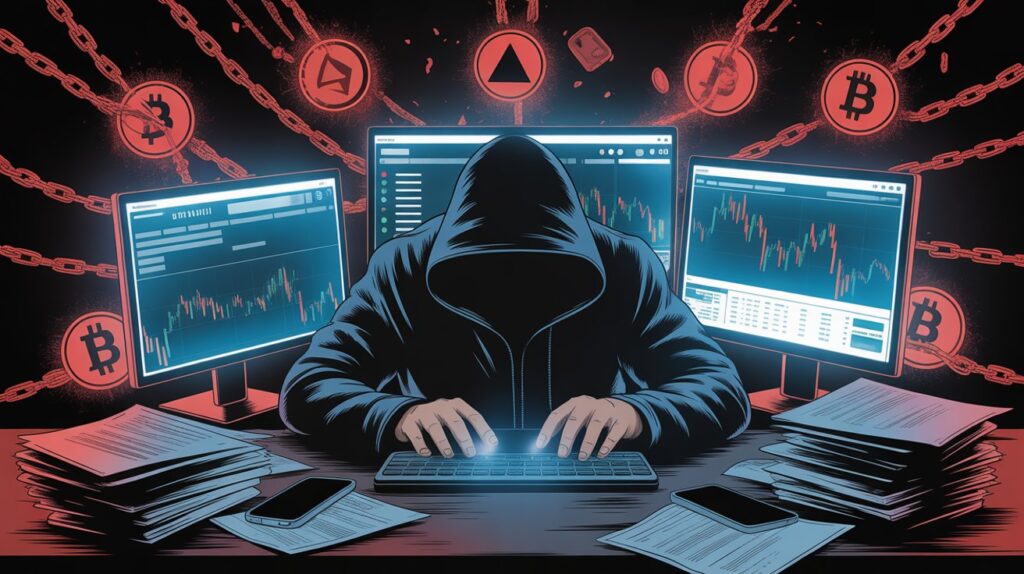
Roman Novak’s name became synonymous with a particularly brazen form of digital theft. Operating a network of fraudulent cryptocurrency investment platforms, he promised investors astronomical returns. His schemes were elaborate facades, sophisticated traps designed to lure the unsuspecting. Novak’s operations siphoned millions from victims globally, leaving financial ruin in their wake. The scale of this crypto fraud underscored the dark underbelly of unregulated digital finance.

Authorities traced the complex money trails through a maze of shell companies and digital wallets. Each transaction was a deliberate step to obfuscate the illicit origins of the funds. Novak’s technical knowledge made him a formidable adversary for financial investigators. His criminal enterprise functioned with a chilling, corporate-like efficiency. This wasn’t a simple scam but a well-oiled machine of financial deception.
Anna Novak: Partner in Luxury and Crime?
Anna Novak, Roman’s wife, presented a curated image of lavish success. Her social media feeds displayed a life funded by mysterious wealth—exotic travel, haute couture, and opulent real estate. This public persona became a crucial element of the scheme’s allure. It served as tangible “proof” of the investment success others could supposedly achieve. Her lifestyle was a powerful, silent advertisement for her husband’s criminal ventures.
A Lavish Lifestyle Built on Stolen Dreams
The Novak’s expenditure told a story of profound audacity. They acquired multi-million dollar properties in exclusive enclaves, from Dubai to Europe. A fleet of luxury supercars, rare artwork, and extravagant jewelry filled their world. Each purchase was a direct conversion of stolen digital assets into physical trophies. This ill-gotten wealth wasn’t hidden but flaunted, a taunt to those they had defrauded.

This conspicuous consumption ultimately provided the evidence chain for prosecutors. Forensic accountants meticulously linked luxury assets to specific fraudulent transactions. A custom watch or a waterfront villa became a ledger entry of guilt. The very items meant to celebrate their success sealed their fate. The couple’s taste for the finer things constructed their own legal prison.
The International Dragnet Closes In
Global law enforcement coordination was key to unraveling the Novak’s operations. Agencies from multiple continents shared intelligence and pieced together the sprawling puzzle. Arrest warrants and Interpol red notices turned their world of luxury into a gilded cage. The couple’s international mobility, once an asset, became a liability as borders closed against them. The final apprehension was a quiet, clinical end to their very public spree.
Lessons in Crypto Vigilance and Due Diligence
The saga of Roman and Anna Novak serves as a stark parable for the crypto era. It highlights the critical need for extreme due diligence before any investment. You must research platforms beyond their glossy websites and too-good-to-be-true promises. Verify regulatory compliance and seek independent, third-party audits of any operation. Your skepticism is your most valuable digital asset.

True investment success rarely fuels a publicly flaunted, jet-setting lifestyle overnight. When a platform’s principals focus on displaying wealth rather than demonstrating transparent technology, see a red flag. The securities fraud committed by individuals like Roman Novak exploits greed and FOMO. Protecting your portfolio requires prioritizing security and substance over the seductive spectacle of quick riches.
“`
FAQ’s
1. How common is crypto fraud?
Crypto fraud is very common and growing fast, especially in scams, fake investments, and phishing schemes.
2. Can you get your money back if you get scammed on crypto?
Usually no, because crypto transactions are irreversible, but you can report it and sometimes recover funds if caught early.
3. How to identify a crypto scammer?
They promise guaranteed profits, rush you to invest, and avoid giving verifiable details or proof.
4. How do crypto frauds work?
Scammers trick users into sending crypto via fake platforms, phishing links, or impersonating trusted people.
5. Can a crypto scammer be traced?
Yes, blockchain transactions can be tracked, but scammers often hide identity, making recovery difficult.
6. How do I know if I am chatting with a scammer?
They pressure you, ask for money/crypto, avoid video calls, and use fake profiles or stolen photos.
7. What are common scammer phrases?
“Guaranteed profit,” “act now,” “limited offer,” “double your money,” or “send crypto to verify.”
8. What are the five area codes you should never answer?
Codes like +234 (Nigeria), +92 (Pakistan), +91 (India), +63 (Philippines), and +44 (UK) are often used in scams—but scams can come from anywhere.
9. Can a scammer hack you if you reply to them?
No, replying alone won’t hack you—but clicking links or sharing info can put you at risk.